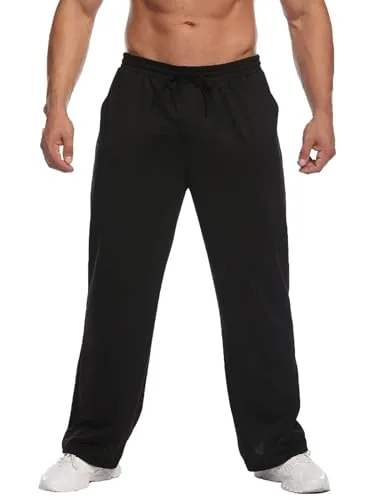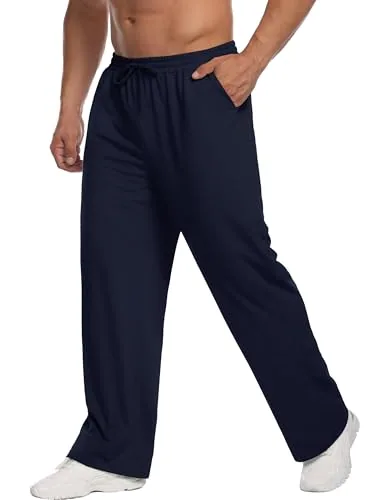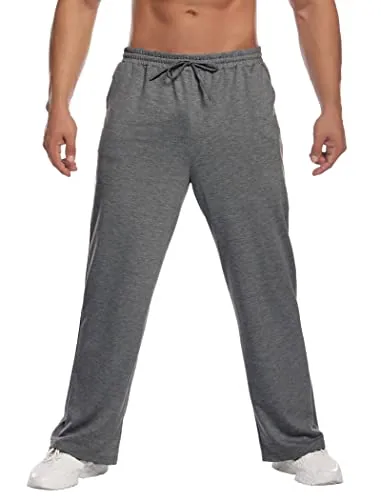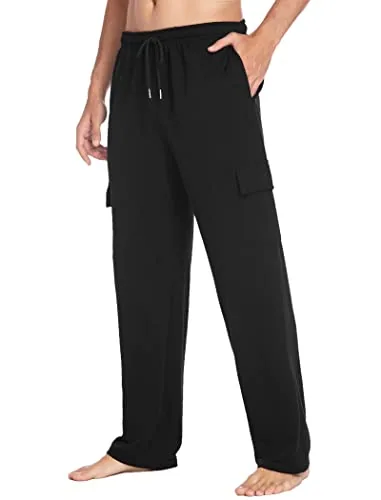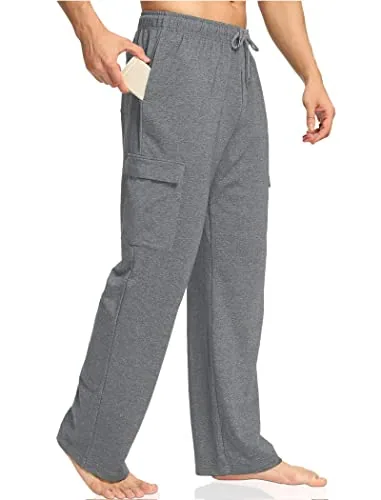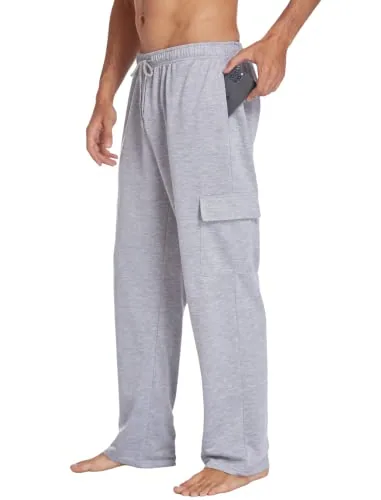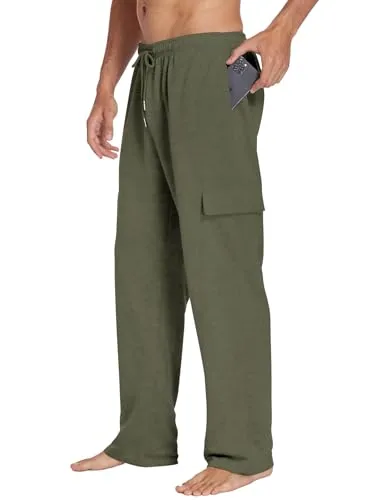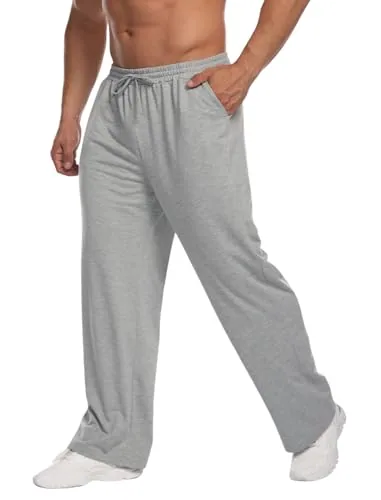
Men's Sweatpants, Grey
4.3 out of 5 from 2,339 ratings
$19.98
LXL
See the details
Materials
Cotton, polyester and a little spandex, in proportions the maker states on some pages and not on others. Here is what each fabric does against skin, a dressing and a washing machine, what the federal rule obliges a label to tell you, and the honest inventory of what this catalogue can show.
11 minute read · sources read 5 September 2026
4.3 out of 5 from 2,339 ratings
$19.98
4.3 out of 5 from 2,339 ratings
$25.96
4.3 out of 5 from 2,339 ratings
$19.98
See the details4.3 out of 5 from 2,339 ratings
$25.96
See the detailsEvery piece in the Deyeek range is made from some mix of three fibres: cotton, polyester and, on the pieces that need to stretch around a seam of snaps, a little spandex. Nothing exotic, and that is deliberate. A garment that will be worn over a dressing, washed twice a week and closed with one hand needs fabric that behaves the same way every time.
Where the maker states the mix, our page prints it under Fabric, per the maker. Where the description is silent, our page is silent too, and the label sewn into the garment is the authority. That division is the subject of the second half of this page.
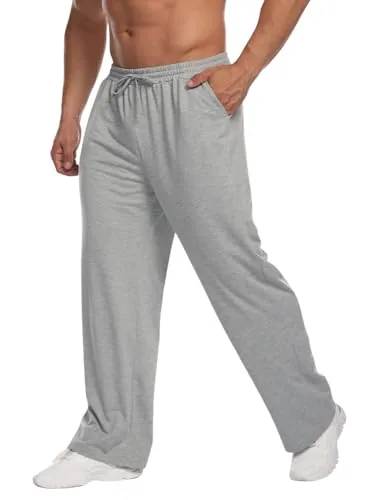
Cotton absorbs. That is its virtue next to skin that is healing or sore: it takes moisture off the surface and it does not cling. It is the fibre in the sleep shorts and the majority fibre in the sweatpants, and it is the reason those pieces are cut loose rather than close.
Its cost is the same absorbency. Cotton holds sweat rather than moving it, it takes longer to dry, and it shrinks in hot water. On the pages where the maker states a cotton share, that share runs from 15% to 95% across the catalogue. Read a high cotton number as comfort at rest, and wash it cool.
Polyester does what cotton cannot. It dries fast, it holds its shape after a hundred washes, it does not shrink, and it takes a snap tape without puckering. So the adaptive benches lean on it: a seam of snaps in a fabric that shrinks would pull the snaps out of line within a season.
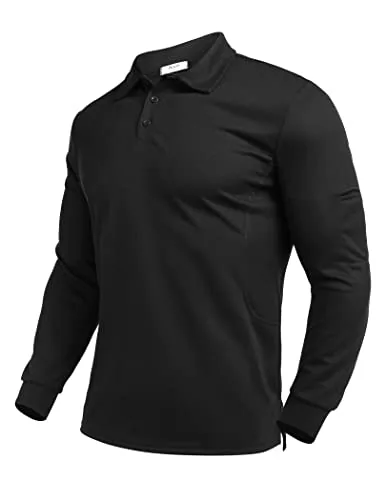
Its cost is feel. Pure polyester next to the skin can feel warm and slick. So most of the adaptive pieces here are blends, and the maker's descriptions use the word soft so often for the same reason. Where a polyester share is stated it runs from 60% to 99%. The long-sleeve polo is the one place the fibre is the point: the maker calls it quick-dry and rates it UPF 50+, and both words belong to the maker.
A small share of spandex, five percent or less on the pieces that state it, is what lets a snap seam close without pulling. It gives the fabric enough give to come together over a dressing and enough recovery to lie flat again. Spandex hates heat: a hot wash and a hot dryer shorten its life more than anything else you can do to a garment, which is one reason the care section of this site says cool and low.
A garment sold in the United States carries a fibre label because a federal rule says it must, and the rule tells the maker how to write it. The first instruction is about order.
...shall appear in order of predominance by weight with any percentage of fiber or fibers required to be designated as “other fiber” or “other fibers” appearing last.
16 CFR 303.3, read 5 September 2026
Predominance by weight: the biggest share first. So a label reading “60% Cotton, 40% Polyester” is a promise about the majority fibre, and a description that says the same thing in a different order has been written by someone who did not read the label.
The second instruction is about language, and it is short.
All required information shall be set out in the English language.
16 CFR 303.4, read 5 September 2026
Small amounts are treated differently, and the line is drawn at five percent of total fibre weight.
...no fiber present in the amount of less than 5 percent of the total fiber weight shall be designated by its generic name or fiber trademark in disclosing the constituent fibers in required information, but shall be designated as “other fiber.”
16 CFR 303.3(a), read 5 September 2026
This is the sentence that explains the spandex. A piece with three percent spandex can say “other fiber” on its label and nothing more, unless the fibre does a real job at that share, which stretch does. The rule makes that exception in the same paragraph. So a label that says “3% Spandex” is not breaking the rule, and a label that says “other fiber” is not hiding anything.
The label is on the garment. Our pages are built from the maker's descriptions, and those state the fibre mix on 447 of the 1053 pages in the catalogue. The honest inventory, bench by bench:
| Bench | Pages | Cotton share stated | Polyester share stated | Spandex stated | Washing stated |
|---|---|---|---|---|---|
| Post-Surgery Shirts | 369 | 50 | 123 | 138 | 182 |
| Chemo Port & Dialysis Shirts | 275 | 24 | 120 | 120 | 118 |
| Hospital Gowns & Open-Back Dresses | 123 | 0 | 21 | 21 | 64 |
| Adaptive Tear-Away Pants | 196 | 32 | 114 | 113 | 31 |
| Sweatpants & Joggers | 47 | 9 | 9 | 9 | 27 |
| Pajama & Lounge Shorts | 17 | 14 | 14 | 14 | 6 |
| Long-Sleeve Polos | 26 | 0 | 26 | 0 | 0 |
Where a cell is low, the maker's description does not carry the number, and we do not invent one. The garment's own label does, and it is the one to read.
A short guide to what to expect, bench by bench, from the descriptions we work from.
4.3 out of 5 from 2,339 ratings
$19.98
4.3 out of 5 from 2,339 ratings
$25.96
4.3 out of 5 from 2,339 ratings
$19.98
See the details4.3 out of 5 from 2,339 ratings
$25.96
See the detailsSoft, breathable, quick-dry, skin-friendly: none of these words appear in Part 303, because Part 303 is about fibre identity, not feel. There is no federal definition a fabric has to meet before it may be called soft. That does not make the word empty, but it makes it a claim by the maker rather than a measured fact, and our pages print such words under a heading that says whose they are.
The same is true of UPF 50+ on the polo. A UPF figure can be measured, and some makers publish the test. Deyeek does not publish one for this range, so the number stays the maker's number on this site, and we add nothing to it.
4.3 out of 5 from 1,396 ratings
$23.99
4.3 out of 5 from 1,396 ratings
$19.98
See the details4.3 out of 5 from 1,396 ratings
$23.99
See the details4.3 out of 5 from 1,396 ratings
$23.99
See the details